Draft site · Prices, reviews and enquiries are not final yet
An island where
birds came first.
Before people arrived, there were no land mammals here except bats. That’s why birds found nowhere else on earth — like the flightless kiwi — live here.
Faces you'll only meet here.
They’re wild, so sightings can’t be guaranteed. Still, you’ll meet them on walks more often than you’d think.
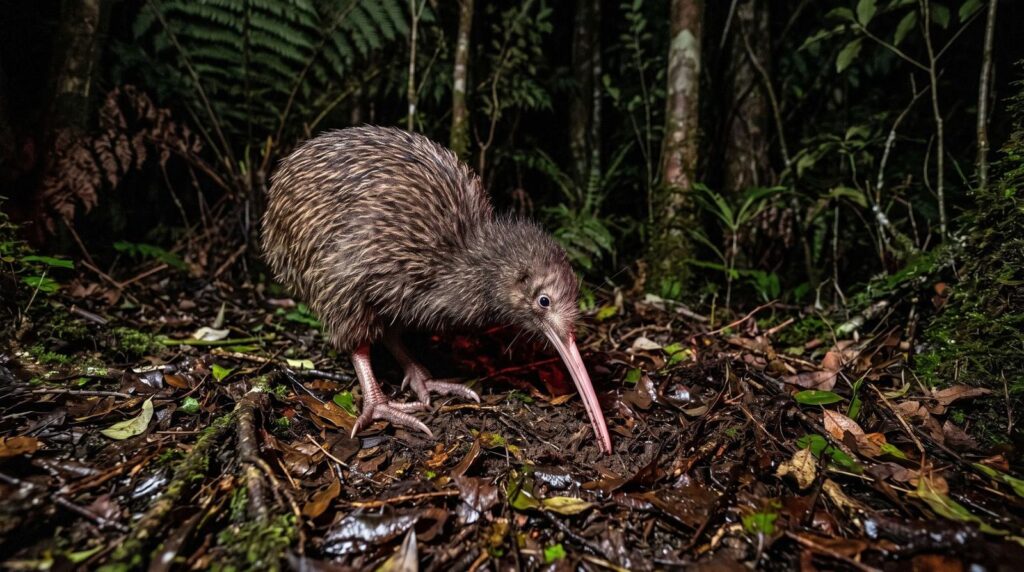
Kiwi
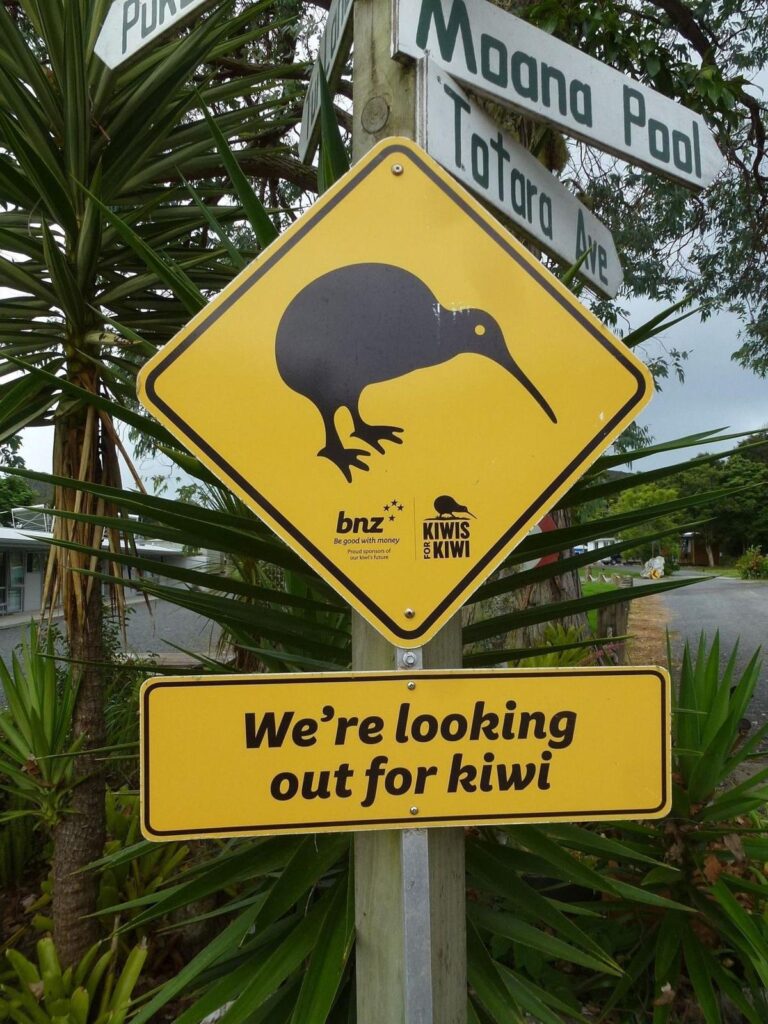
A flightless, nocturnal bird and the national symbol — New Zealanders are even called ‘Kiwis’. Hard to see in the wild, so we meet them in a sanctuary’s nocturnal house.
Native · South Island alpine
Kea
The world’s only alpine parrot. So curious they’ll chew on your wipers. Cute, but never feed them.
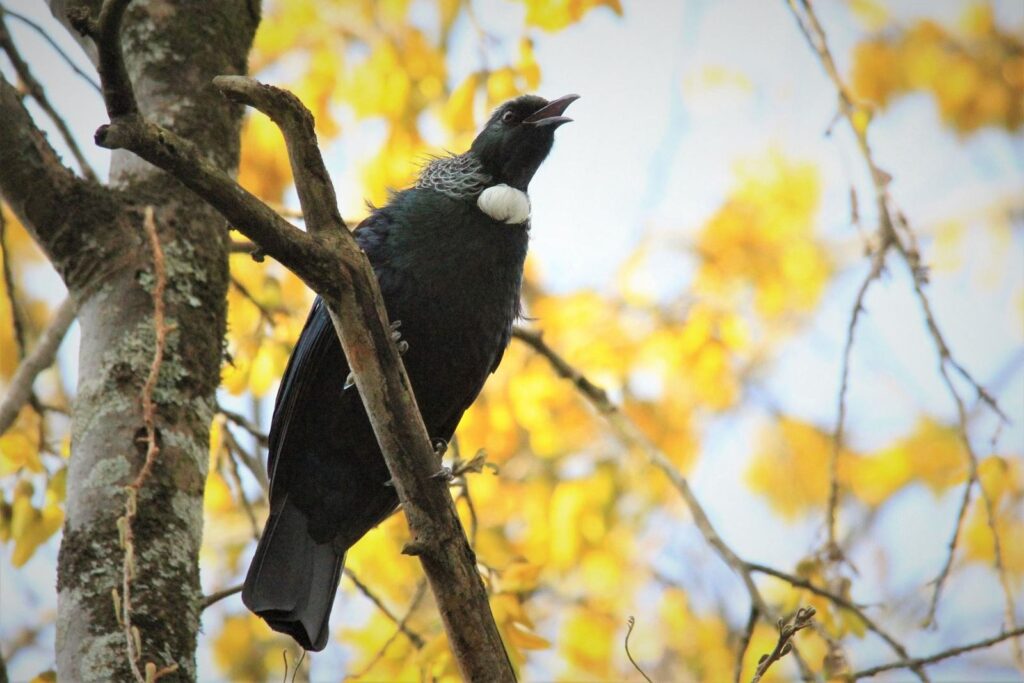
Tūī
A bird with a white tuft at its throat. Its songs range from clear bells to clicks, so you’ll hear it in the forest before you see it.
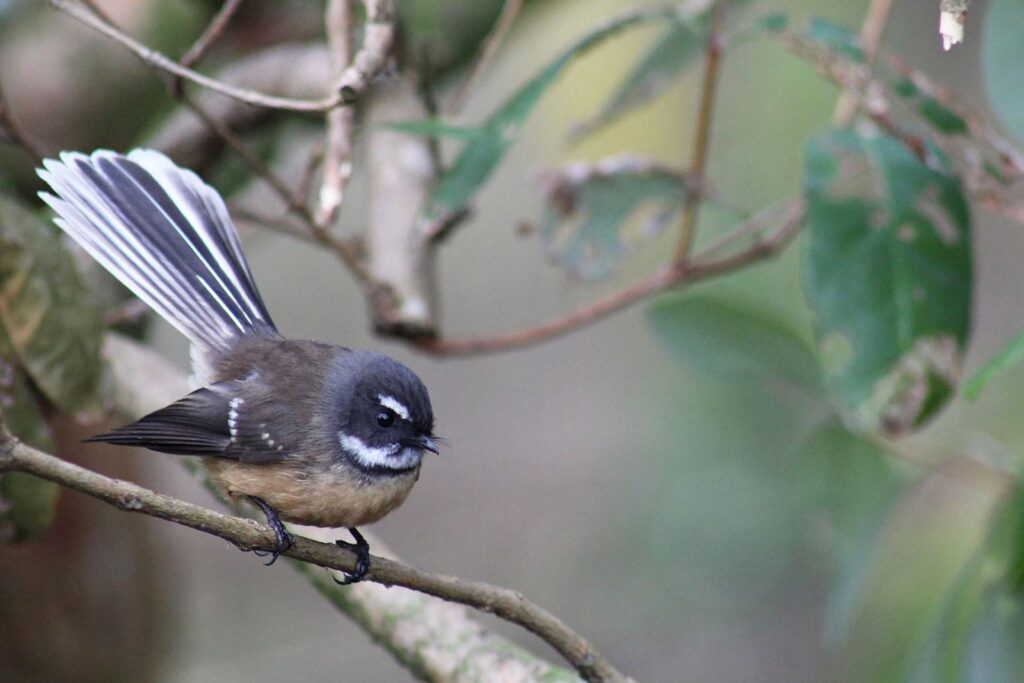
Fantail (pīwakawaka)
A small bird that spreads its tail like a fan. It often follows you along the track to catch insects stirred up as you walk.
Pūkeko
Blue feathers and a red beak. Common in wetlands, parks and roadside grass — you’ll probably meet one on your first day.
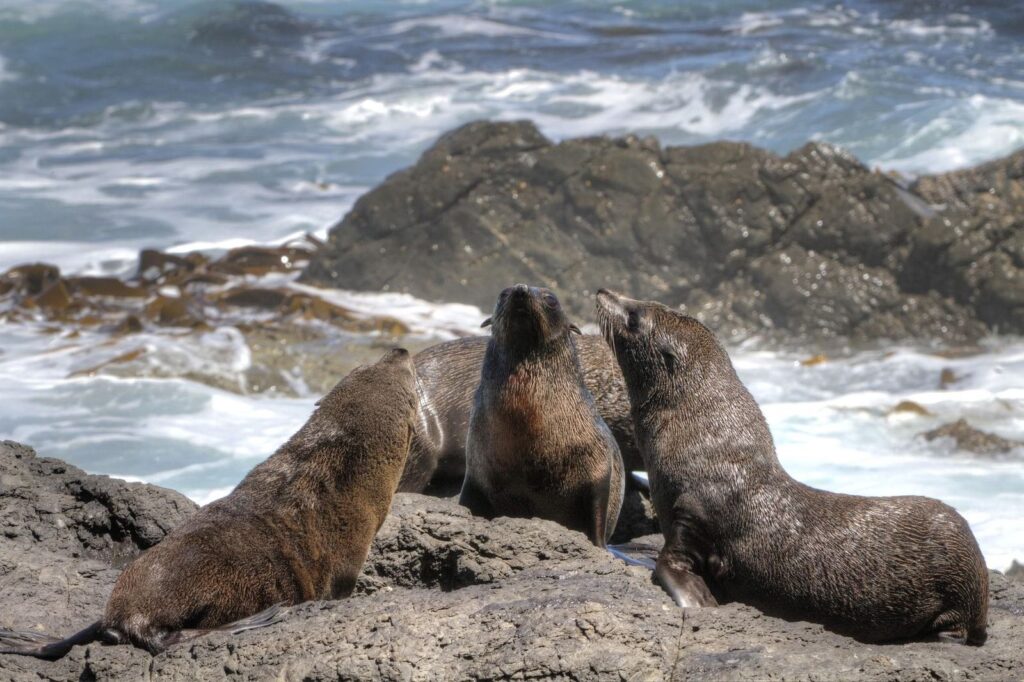
New Zealand fur seal
You’ll see them napping on coastal rocks. They look gentle but are wild — keep at least 20 m away.
Nature through the seasons
Wildlife sightings aren’t guaranteed, but timing the season improves your chances.
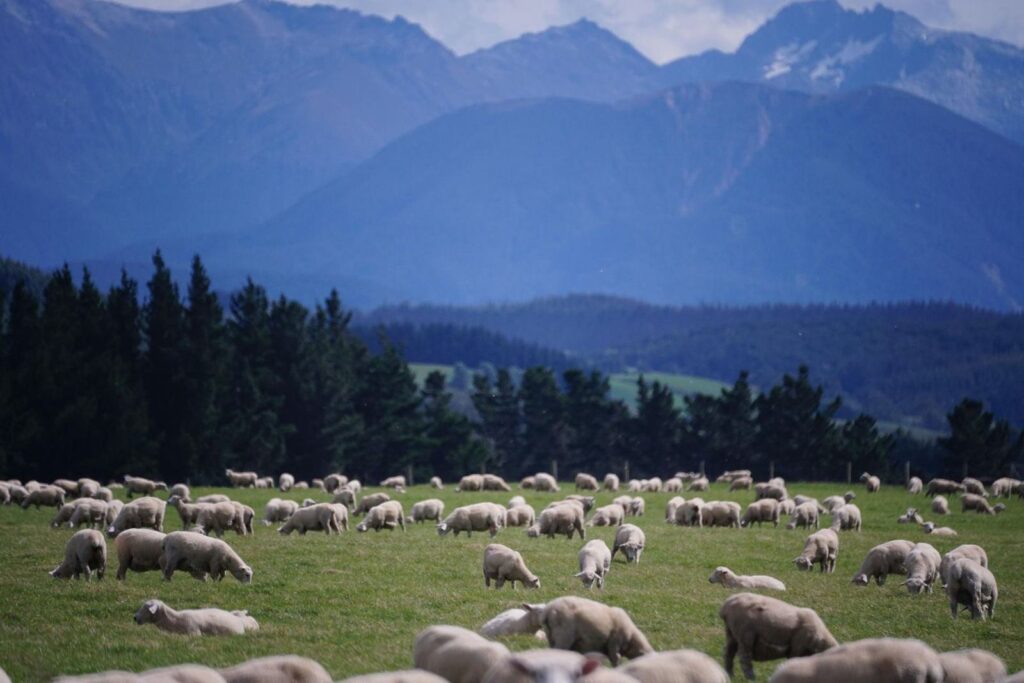
Fields full of lambs. Snow still on the South Island peaks.
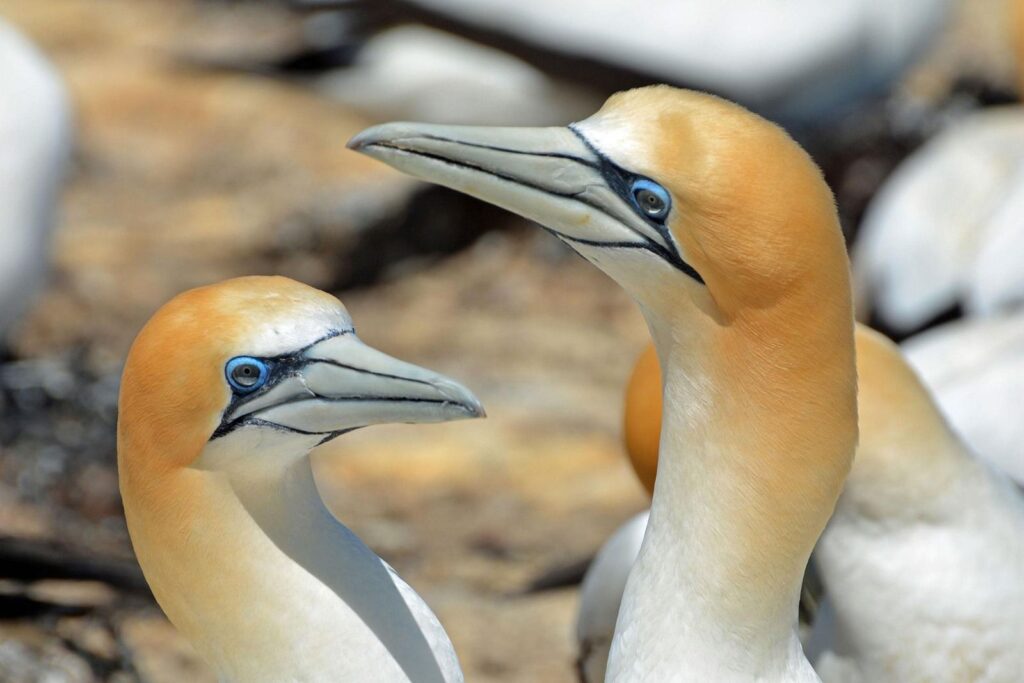
Muriwai’s gannet breeding season (roughly Aug–Mar) is in full swing. Great time for forest walks.
South Island autumn colours and clear skies. Lovely light for photos.
Snowy peaks and the South Island alpine country where kea live. Warm clothes essential.
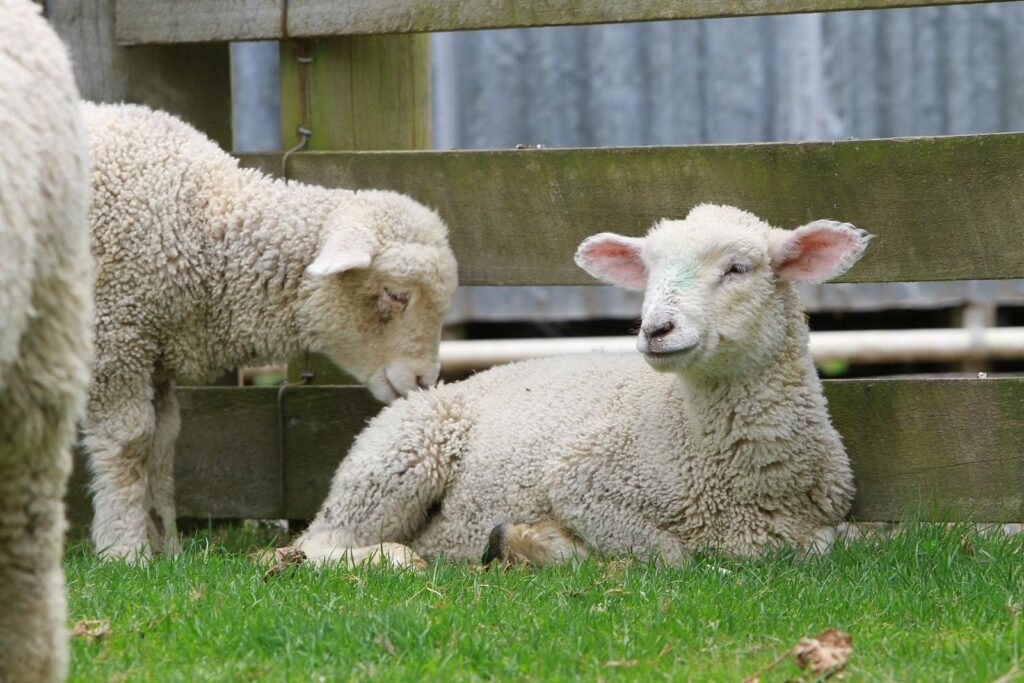
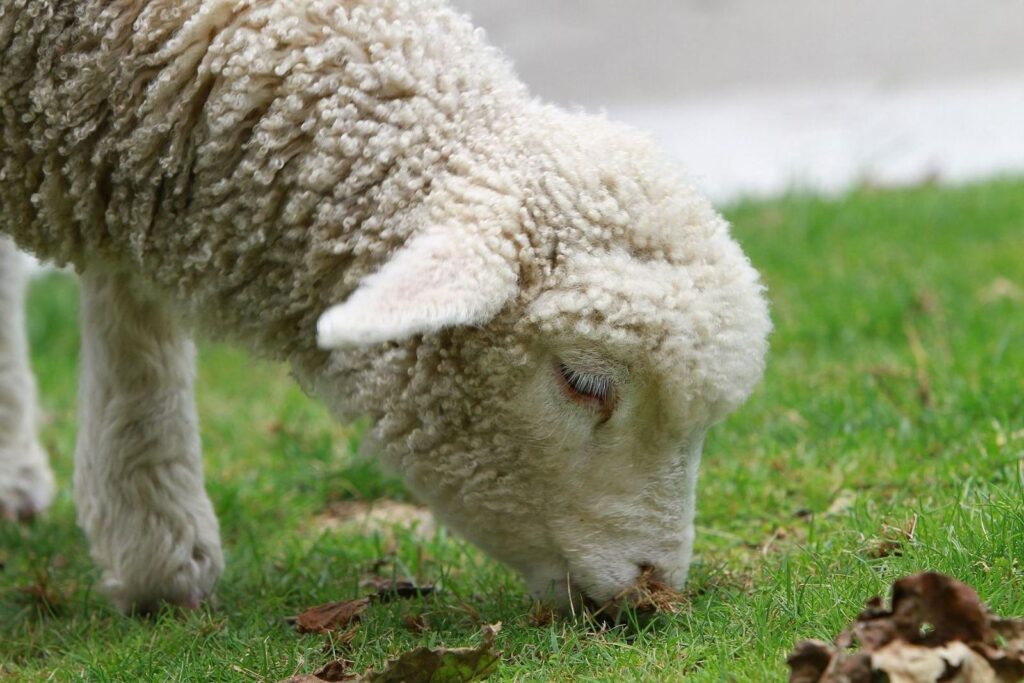
Sheep aren't native.
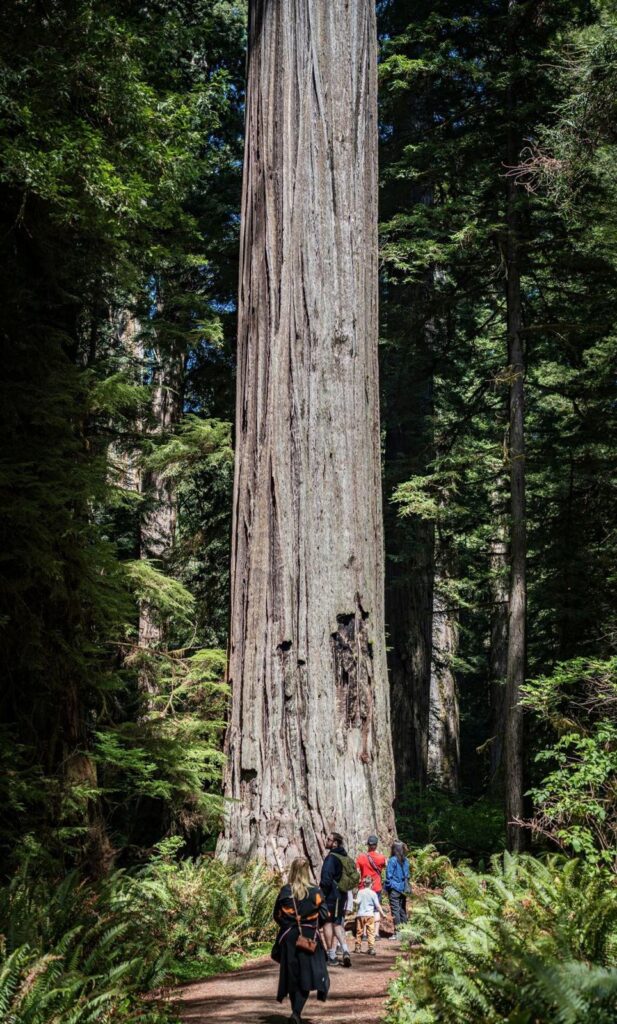
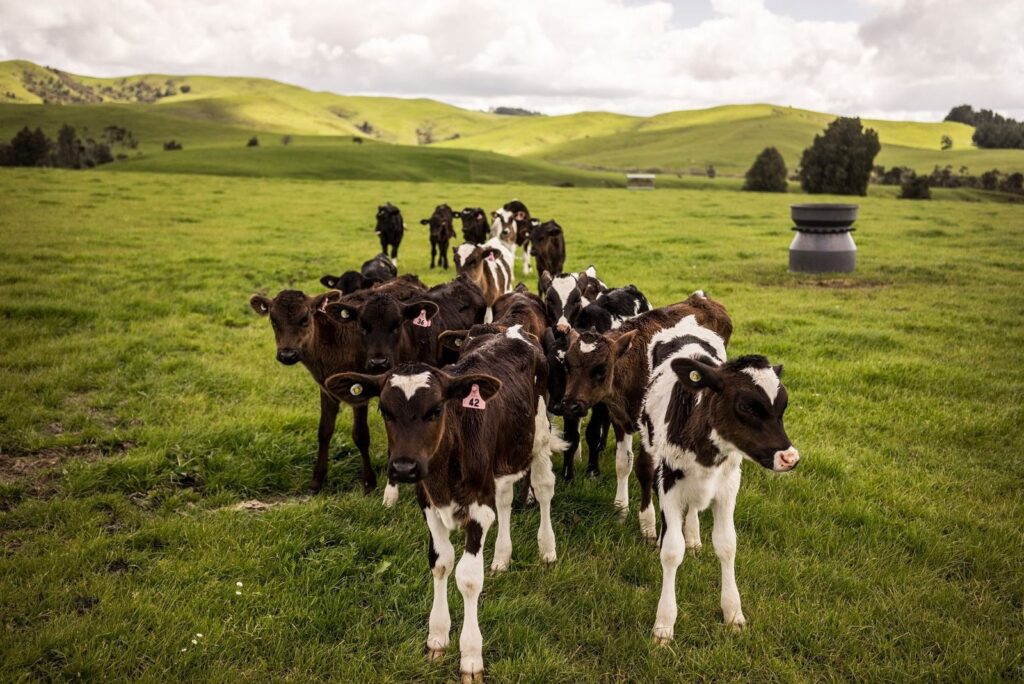
The sheep and cattle on the pastures and Rotorua’s redwood forest were all brought in by people. Knowing the difference makes the landscape far more interesting.
Birds, seals, ferns, kauri
Kauri are giant trees that grow only in the North Island. Some forest entrances have shoe-cleaning stations to stop tree disease. The silver fern is the national symbol.
Sheep, cattle, alpacas, redwoods
Farm sheep outnumber people several times over. Rotorua’s redwoods were brought from California and planted about a century ago.
Out the window:
green farmland.
Most of the drive is hills where sheep and cattle graze. In spring (Sep–Nov) there are lambs everywhere. You can even see sheep in Cornwall Park in central Auckland.
Good to know Most farms are private land. Don’t climb fences, and close any gate you open.
How we treat nature
The animals’ day comes before a good photo.
It harms birds and wildlife. Kea especially get used to human food easily.
At least 20 m from seals. Stay away from nests and young.
Always use the cleaning stations at forest entrances. They stop tree disease spreading.
Flying drones in protected areas such as national parks requires a permit.
Love taking photos?
Every course has great photo spots.